

How a global pandemic brought the once off-duty-only outfit back to our everyday wardrobe
There was a time, up until recently i.e in the pre-Covid world, when most people, passed a certain age, would refrain from walking in the street in their tracksuits. Tracksuits were this love/hate item, which fashionable status was always disputed (we could still debate Paris Hilton’s Juicy Couture era, and even argue whether these can count as track-suits when, in all fairness, they were mostly seen in airport lounges).
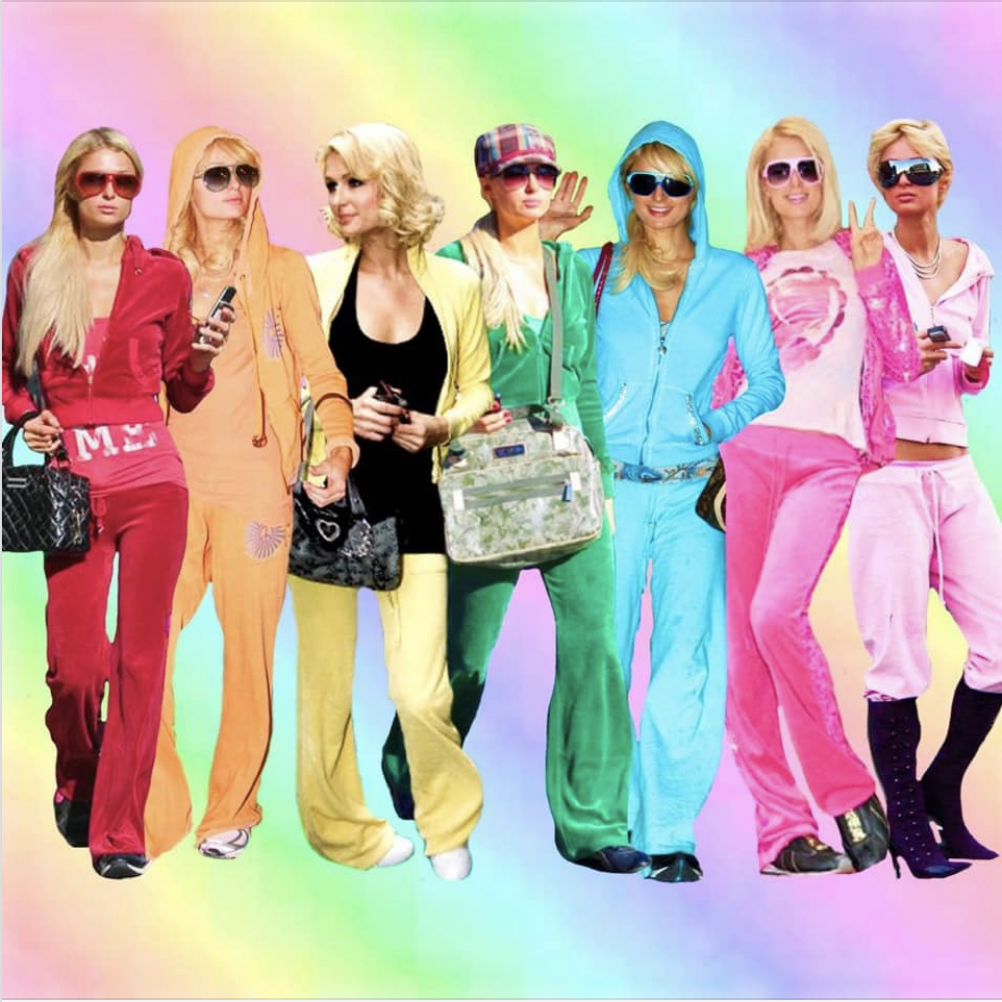
Unless you were going through dark times, you would avoid hanging in those publicly for anything else than sports. The Urban Dictionary definition for tracksuits even states : ‘Worn by athletes, criminals, juvenile delinquents, and middle aged people who have given up hope’. So folks in tracksuits would either be professionals, up to no-good or hopeless (or all of the above) ? Covid hit, and all of a sudden our relationship with tracksuits got transformed. In France, a study by IPSOS revealed that tracksuits were now 5 times more worn during the day. Hope suddenly came back home…in sweatpants.
Home sweat home
From a teenage whim perception, signaling youngsters hanging around or lazy bums, couch potatoes and all sorts of low energy/low productivity characters looked upon in a condescending manner, tracksuits made their way up to the desirable items list. The minute we all got locked down at home, the revolution started on Instagram. Models and influencers on social networks started posting selfies in those.

At first, to depict the irony of this unprecedented situation where no one could leave home anymore. And then, as a new aesthetics. A sign of the times. This new era when we all got convinced to practice some sorts of sports at home (to compensate for the Zoom aperitives or simply help us unwind). Beyond sport practice, comfort became an acceptable notion in fashion. Because fashion got to stay home too.

We were all constrained to comfort, and I have to say, to some extent it felt pretty good. Even Anna Wintour dared showing up publicly in her tracksuits. In 2020, as Magali Moulinet noted in her article in L’OBS, forget Prada, the Devil wears Puma. From hiding & being relegated to changing rooms, to getting magnified on Instagram, it’s been a long way.
A better world in matched two-piece getups
And then, happened what must : they got elevated. The Holy Grail of tracksuits became Pangaïa. A brand, founded by a former model, which aggregated the fears and desires of the period : sustainable dies, ethical cotton, instagrammable color blocks.

Sportswear, once ugly duckling, was now the solution to doing better for the Planet whilst keeping on enjoying our constant thirst for new fashion items. Not only could the materials be recycled while still looking good, but also its care needs were much less energy consuming (adios dry cleaning and ironing).
The laid-back look : #2020Resistance Way-of-life
Tracksuits were the unpromising bet about to make our world feel better. Karl Lagerfeld once said that “tracksuits are a defeat. You’ve lost the control of your life hence you go out in tracksuits”. Well, viewed from our homes they look more like a comfortable victory over the external world’s constraints these days.
 Sportswear Era